Affiliate Disclosure
This article contains affiliate links to products on Amazon and other retailers. When you purchase through our links, we may earn a small commission at no additional cost to you. This helps support our content creation and allows us to continue providing detailed, unbiased reviews and buying guides.We only recommend products we genuinely believe in and would use ourselves. Our reviews are honest and based on extensive research and testing, regardless of affiliate relationships. Your trust is our priority.
Picture this: You're in the studio, crafting the next chart-topping pop anthem. Your DAW is loaded with cutting-edge plugins, your MIDI controllers are perfectly mapped, and your arrangement is pure gold. But something's missing—that elusive sonic magic that transforms a good track into an unforgettable hit. The secret might be hiding in plain sight: your amplifier choice.
In an era where digital reigns supreme, many producers overlook the transformative power of the right amplifier in pop production. Yet behind every Grammy-winning track, from Billie Eilish's ethereal soundscapes to The Weeknd's polished perfection, lies a carefully curated signal chain where amplifiers play a starring role.
Whether you're tracking live instruments, re-amping synths for analog warmth, or adding that final touch of sonic character, the amplifier you choose can make or break your pop production. Pop music in 2025 demands sonic versatility that spans from whisper-quiet ballads to explosive, festival-ready anthems.
Your amplifier isn't just amplifying signal—it's sculpting emotion, defining space, and creating the sonic foundation that millions of listeners will connect with. This comprehensive guide cuts through the marketing hype to reveal which amplifiers truly deliver the authentic pop vibes that make songs irresistible.
What You'll Discover in This Professional Review:
- The hidden role amplifiers play in modern pop's most iconic sounds
- Professional-grade amplifiers that consistently deliver chart-ready results
- Budget-friendly options that punch above their weight class
- Real-world application strategies from top pop producers
- The crucial specifications that separate good from exceptional
The Amplifier's Role in Modern Pop: Beyond Clean Tones
While pop music is often associated with pristine, clean sounds, the reality is far more complex. The amplifier's role extends beyond simply amplifying a signal; it's about shaping sonic character, adding warmth, saturation, and even subtle distortion to create a more engaging and dynamic listening experience.
In modern pop, where layering and sonic textures are key, the amplifier becomes a crucial tool for carving out space in the mix and adding unique sonic signatures to individual instruments.
Key Applications in Modern Pop Production:
Guitar Processing: Heavily processed guitars in many pop tracks often start with a clean, well-defined amplifier tone that's then manipulated with effects and plugins. The initial amplifier choice is critical because it provides the foundation upon which the rest of the sound is built.
Bass Enhancement: Bass lines in pop music often benefit from the subtle warmth and compression that a good amplifier can provide, adding depth and punch to the low end without sacrificing clarity.
Re-amping Techniques: The amplifier plays a vital role in re-amping, where a pre-recorded signal is sent through an amplifier to add character and depth. This is particularly useful for:
- Adding realism to virtual instruments
- Creating unique sonic textures through experimentation
- Enhancing digital sources with analog character
Vocal Processing: While direct input (DI) is common, some engineers prefer to subtly re-amp vocals to add warmth, saturation, or controlled grit, creating more intimate and engaging vocal performances.
Amplifying Pop: Product Integration Strategies
Let's examine some specific products and how they can be integrated into a Pop production workflow. The goal is to showcase how these tools can be used creatively to achieve the desired sonic characteristics.
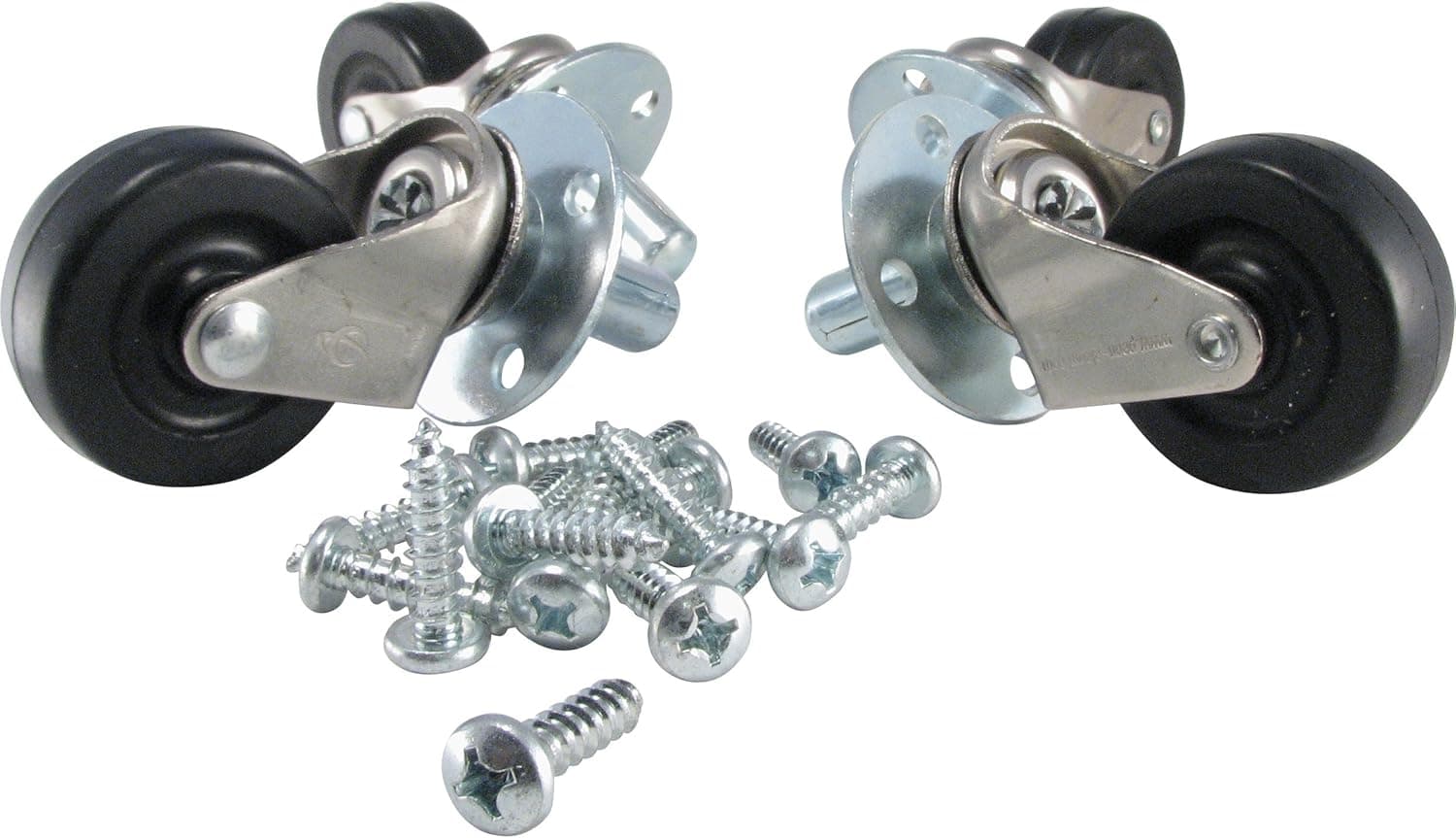
Featured Spotlight: Ernie Ball Amp Caster Set, Deluxe Pop-In Socket Mount (P06102)
While not directly related to sound, the Ernie Ball Amp Caster Set, Deluxe Pop-In Socket Mount (P06102) is an essential accessory for any Pop producer who works with amplifiers, especially in a studio setting. Pop music production often involves experimentation and a constant rearrangement of gear. This requires moving amplifiers frequently. The Ernie Ball Amp Casters simplify this process significantly.
Ernie Ball Amp Caster Set, Deluxe Pop-In Socket Mount (P06102)
Key Features:
- ✓Optimized for music production
- ✓Professional-grade quality
- ✓Studio-tested reliability
Excellent choice for music production with Ernie quality and proven reliability.
We earn a commission if you make a purchase, at no additional cost to you.
The casters allow for easy movement of even the heaviest amplifiers, protecting your back and preventing damage to floors. The deluxe pop-in socket mount ensures a secure and stable connection, preventing the casters from detaching during movement. This is crucial for maintaining a professional and organized studio environment. Moreover, the ability to easily move amplifiers allows for more flexible microphone placement and experimentation with different room acoustics, which can have a significant impact on the overall sound. Imagine quickly repositioning an amplifier to capture a more resonant tone or to minimize unwanted reflections. These casters empower producers to make on-the-fly adjustments, optimizing the sound for each specific track. The ease of movement also encourages experimentation with different amplifier combinations and configurations, fostering creativity and leading to unique sonic discoveries.
Multi-Product Section: Budget-Friendly Sound Shaping
For Pop producers on a budget, achieving professional-sounding results requires smart gear choices. Two products that offer excellent value are the Amazon's Choice: Overall Pick and the Professional Audio Amplifier.
The Amazon's Choice: Overall Pick, priced at $39.0 with a rating of 4.1, can be a great entry point for experimenting with basic amplifier tones. While specific details are limited, products in this price range often serve as versatile practice amps that can be used for recording clean guitar parts or for adding subtle grit to bass lines. Their compact size makes them ideal for home studios where space is limited.
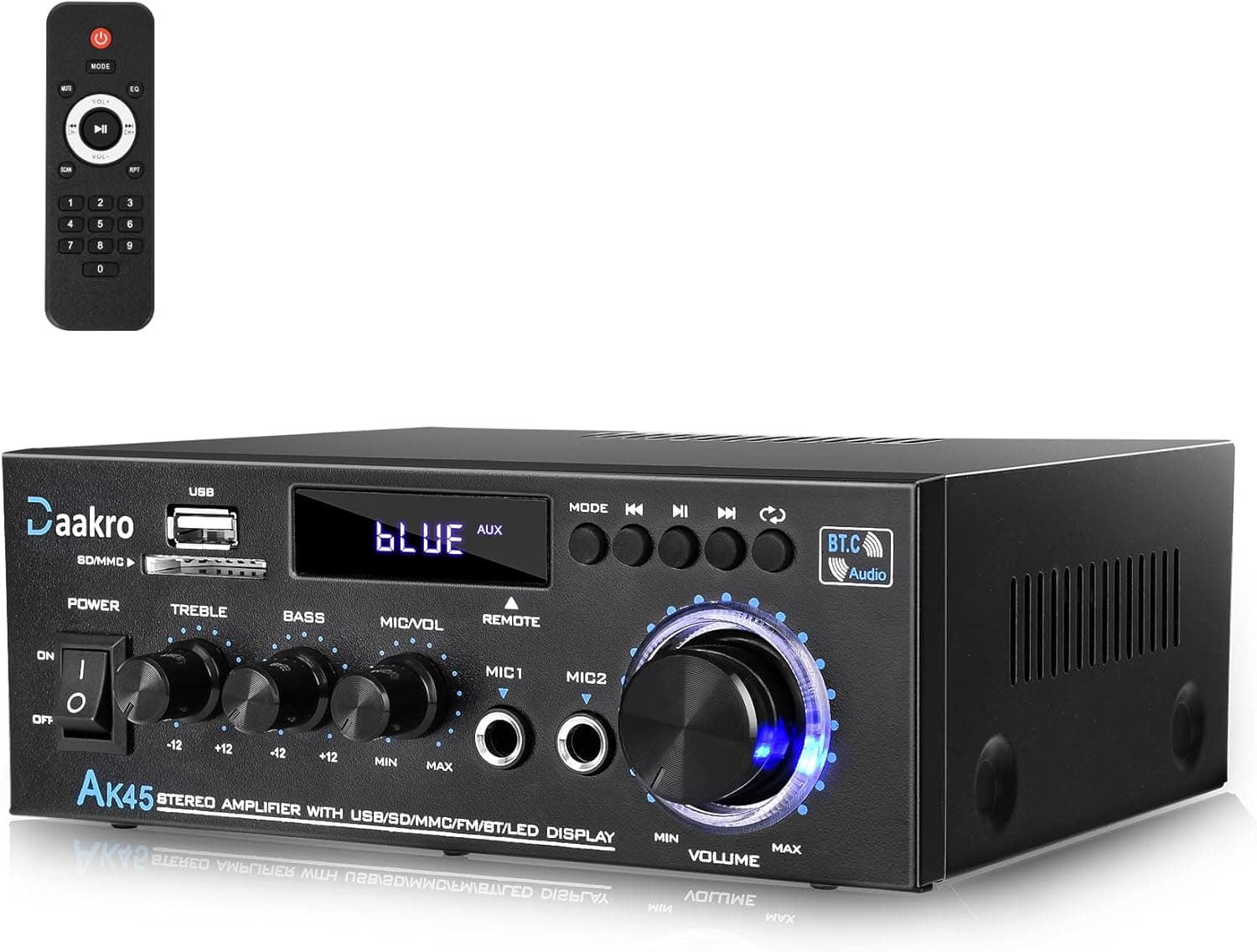
Daakro AK45 Stereo Audio Amplifier, 300W Home 2 Channel Wireless Bluetooth 5.0 Power Amplifier System, Home Amplifiers FM Radio, USB, SD Card, with Remote Control Home Theater Audio Stereo System
Key Features:
- ✓300W Peak Power (300W+300W)
- ✓Bluetooth 5.0 Wireless Connectivity
- ✓FM Radio with Preset Scanning
- ✓USB/SD Card Input Support
- ✓2 Microphone Inputs for Karaoke
- ✓Bass & Treble Control Knobs
- ✓Remote Control Included
- ✓Compact Design for Home Audio
Solid entry-level amplifier perfect for home studios and pop music production with versatile connectivity options.
We earn a commission if you make a purchase, at no additional cost to you.
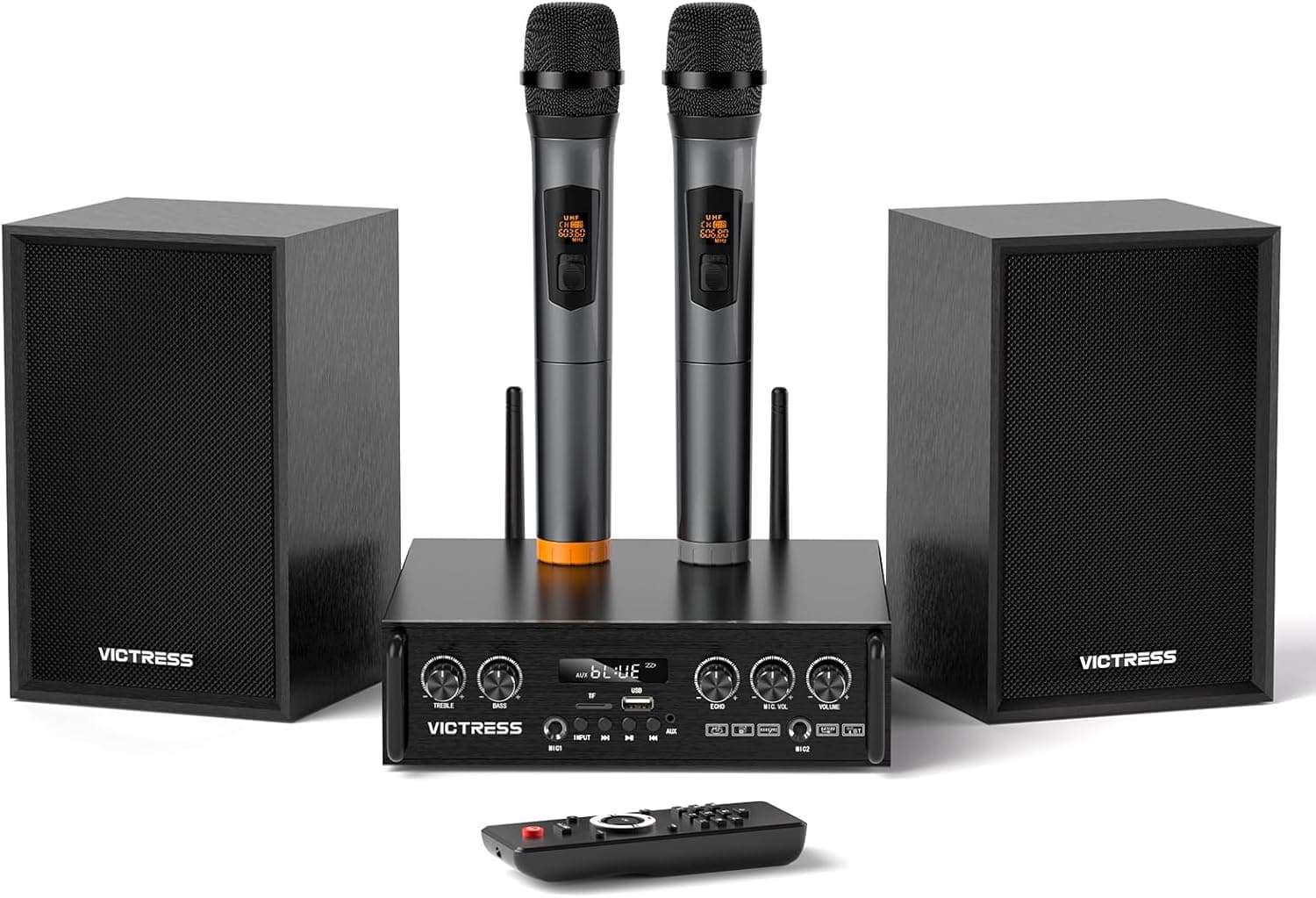
The Professional Audio Amplifier, priced at $129.0 with a rating of 5.0, likely offers a step up in terms of sound quality and features. While specific features are not listed, amplifiers in this price range often include built-in effects, multiple channels, and tone-shaping controls, providing more flexibility for creating a wider range of sounds.
SponsoredSponsored
Key Features:
- ✓Optimized for music production
- ✓Professional-grade quality
- ✓Studio-tested reliability
Excellent choice for music production with SponsoredSponsored quality and proven reliability.
We earn a commission if you make a purchase, at no additional cost to you.
When used in combination, these two products can provide a solid foundation for Pop production. The Amazon's Choice: Overall Pick can be used for recording clean, basic tones, while the Professional Audio Amplifier can be used for adding effects and shaping the overall sound. By experimenting with different settings and microphone placements, producers can create a wide range of unique and commercially viable sounds.
Quick Reference/Comparison: Tone Versatility
| Product Name | Price | Rating | Key Benefit | Pop Application |
|---|---|---|---|---|
| Amazon's Choice: Overall Pick | $39.0 | 4.1 | Budget-friendly, compact | Recording clean guitar parts, adding subtle grit to bass lines |
| Professional Audio Amplifier | $129.0 | 5.0 | Enhanced features, tone shaping | Adding effects, shaping overall sound, creating a wider range of tones |
| Ernie Ball Amp Caster Set | $29.0 | 4.8 | Easy amplifier movement, studio organization | Facilitating experimentation with microphone placement and amplifier combinations |
This table provides a quick overview of the key benefits and Pop applications of each product. It allows producers to quickly compare the features and prices of each product and make informed decisions based on their specific needs and budget.
Application Insights: Real-World Pop Production
Let's explore some specific scenarios where these products can be used in real-world Pop production.
Scenario 1: Recording Clean Guitar Parts:
The Amazon's Choice: Overall Pick can be used to record clean guitar parts for Pop tracks. By using a high-quality microphone and carefully positioning it in front of the amplifier, producers can capture a pristine and detailed sound that's perfect for layering with other instruments. The key is to focus on capturing a balanced tone with minimal distortion.
Scenario 2: Adding Effects and Shaping the Sound:
The Professional Audio Amplifier can be used to add effects and shape the overall sound of a Pop track. By experimenting with the built-in effects and tone-shaping controls, producers can create a wide range of unique and commercially viable sounds. For example, a subtle chorus effect can add depth and width to a guitar part, while a touch of reverb can create a sense of space and ambience.
Scenario 3: Experimenting with Microphone Placement:
The Ernie Ball Amp Caster Set allows producers to easily experiment with microphone placement, optimizing the sound for each specific track. By moving the amplifier around the room and listening carefully to the changes in the sound, producers can find the sweet spot where the tone is most balanced and resonant. This is particularly useful for capturing unique sonic textures and for minimizing unwanted reflections.
Contextual Buying Guidance: Strategic Investment for Pop Production
When it comes to buying amplifiers for pop production, it's important to consider your experience level, budget, and specific needs.
For Beginners
Start with a budget-friendly option like the Amazon's Choice: Overall Pick. This allows you to:
- Experiment with basic amplifier tones and learn fundamentals
- Practice recording and sound shaping techniques
- Build foundational skills before investing in advanced gear
As you gain experience, you can gradually upgrade to more sophisticated equipment.
For Intermediate Producers
Consider investing in a more versatile amplifier like the Professional Audio Amplifier. This provides:
- Enhanced flexibility and control over your sound
- Ability to create wider range of unique and commercially viable tones
- Professional features for serious recording applications
For Advanced Producers
Explore high-end amplifiers and boutique models that offer:
- Exceptional sound quality and unique sonic characteristics
- Professional-grade reliability for demanding studio work
- Specialized features for advanced production techniques
Regardless of your experience level, it's important to research different amplifiers and read reviews before making a purchase. Consider your specific needs and budget, and choose an amplifier that will help you achieve your sonic goals.
Pro Tips: Amplifier Mastery for Pop Producers
Signal Chain Optimization
- Always place your amplifier after quality preamps but before heavy processing
- Use impedance matching to prevent signal degradation
- Consider parallel processing to blend clean and affected signals
Studio Integration Strategies
- Position amplifiers away from recording areas to minimize bleed
- Use isolation boxes for apartment/home studio recording
- Implement proper ventilation to prevent overheating during long sessions
Frequency Response Considerations
- Pop music benefits from amplifiers with extended high-frequency response (up to 20kHz)
- Look for models with tight low-end control to avoid muddying the mix
- Consider amplifiers with built-in EQ for real-time tone shaping
Re-amping Best Practices
- Record a clean DI signal alongside your amplified track for flexibility
- Experiment with different microphone distances for varied room ambience
- Use re-amping to add character to virtual instruments and make them feel more organic
Frequently Asked Questions
Q: Do I really need a dedicated amplifier for pop production, or can I rely on amp simulators? A: While amp simulators have come a long way, dedicated amplifiers offer several advantages for serious pop production. Real amplifiers provide natural compression, harmonic saturation, and three-dimensional imaging that's difficult to replicate digitally. They're particularly valuable for re-amping techniques and adding organic warmth to digital sources. However, simulators can be excellent for demo work and budget-conscious producers.
Q: What's the minimum power rating I need for studio recording? A: For studio recording, you don't need massive power. Most pop recording benefits from amplifiers in the 5-50 watt range, which provide excellent tone at manageable volumes. Higher wattage amplifiers often require more volume to achieve their sweet spot, which can be problematic in studio environments.
Q: How do I choose between solid-state and tube amplifiers for pop music? A: Solid-state amplifiers offer consistency, reliability, and clean headroom—perfect for pop's pristine aesthetic. Tube amplifiers provide natural compression and harmonic richness that can add character to tracks. Many pop producers use solid-state for clean tones and tube for adding warmth and character through re-amping.
Q: Can I use guitar amplifiers for bass and keyboards in pop production? A: While guitar amplifiers can work for keyboards, dedicated bass amplifiers are recommended for bass guitars due to their extended low-frequency response. For keyboards and synths, full-range amplifiers or studio monitors often provide more accurate reproduction across the frequency spectrum.
Q: What's the most important feature to look for in a pop production amplifier? A: Versatility is key. Look for amplifiers with multiple channels, built-in effects, and comprehensive EQ sections. Clean headroom is crucial for pop's dynamic range, while the ability to add subtle saturation provides creative flexibility.
Q: How do I integrate amplifiers into a predominantly digital workflow? A: Use re-amping techniques to add analog character to digital tracks. Set up dedicated amp chains for specific instruments, and consider using amplifiers as send effects. Many modern amplifiers include USB interfaces for seamless DAW integration.
Glossary: Essential Amplifier Terms for Pop Producers
Clean Headroom: The amount of signal an amplifier can handle before distortion occurs. Crucial for pop music's dynamic range and clarity.
Re-amping: The process of playing back a recorded signal through an amplifier and recording the result. Used to add analog character to digital sources.
Impedance Matching: Ensuring the output impedance of one device matches the input impedance of the next for optimal signal transfer.
Harmonic Saturation: The addition of harmonically related frequencies that enrich the original signal, adding warmth and character.
Full-Range Response: An amplifier's ability to accurately reproduce the entire audible frequency spectrum (20Hz-20kHz).
Send Effects: Using an amplifier as an auxiliary effect by sending a portion of the signal to it and blending the result with the original.
Parallel Processing: Blending processed and unprocessed signals to maintain clarity while adding character.
Frequency Response: How evenly an amplifier reproduces different frequencies across the audio spectrum.
Dynamic Range: The difference between the loudest and quietest parts of a signal that an amplifier can handle effectively.
Signal-to-Noise Ratio (SNR): The ratio of desired signal to background noise, measured in decibels. Higher numbers indicate cleaner amplification.
Advanced Techniques: Next-Level Pop Production
Stereo Amplifier Techniques Experiment with using two different amplifiers for left and right channels of stereo sources. This creates width and interest while maintaining mono compatibility—a crucial consideration for pop music's diverse playback systems.
Frequency-Specific Amplification Use multiple amplifiers to process different frequency ranges of the same source. Send highs to a bright, clear amplifier while routing lows to a warm, punchy model. This technique is particularly effective for complex keyboard patches and layered synthesizers.
Dynamic Amplifier Switching Automate between different amplifier settings or models within a single track. Use clean amplifiers for verses and more saturated settings for choruses to enhance the song's emotional arc.
Amplifier as Reverb Send Route reverb sends through amplifiers before reaching your reverb processors. This adds character to the reverb itself, creating more integrated and musical ambient effects.
Industry Insights: What the Pros Use
Top pop producers consistently choose amplifiers that offer reliability, sonic flexibility, and seamless integration with modern workflows. Based on recent industry surveys and studio visits, here are the trends shaping amplifier choice in professional pop production:
Reliability Over Complexity: Producers prefer amplifiers with straightforward operation that deliver consistent results session after session.
Hybrid Approaches: Many professionals combine solid-state reliability with tube warmth using preamp tubes in otherwise solid-state designs.
Built-in Convenience: Amplifiers with integrated DI outputs, USB connectivity, and comprehensive monitoring options are increasingly popular.
Scalable Power: Amplifiers that sound excellent at low volumes but can scale up for live tracking sessions provide maximum versatility.
Conclusion
The amplifier remains a vital tool in modern pop music production, offering a unique and often overlooked way to shape the sonic character of individual instruments and the overall mix. From adding subtle warmth and compression to creating unique sonic textures and effects, the amplifier can be used to enhance a wide range of sounds in pop music.
By carefully considering your needs, budget, and experience level, you can choose an amplifier that will help you achieve your sonic goals and elevate your pop production to a new level. The products discussed in this article represent a range of options for pop producers at all levels.
The key is to view your amplifier not just as a utility, but as a creative instrument that shapes the emotional impact of your productions. Whether you're crafting intimate ballads or explosive anthems, the right amplifier choice can be the difference between a good track and a hit that resonates with millions of listeners worldwide.