Affiliate Disclosure
This article contains affiliate links to products on Amazon and other retailers. When you purchase through our links, we may earn a small commission at no additional cost to you. This helps support our content creation and allows us to continue providing detailed, unbiased reviews and buying guides.We only recommend products we genuinely believe in and would use ourselves. Our reviews are honest and based on extensive research and testing, regardless of affiliate relationships. Your trust is our priority.
Electronic music production demands absolute precision. The sonic landscape is meticulously crafted, layer upon layer, demanding accurate monitoring at every stage. From sculpting sub-bass frequencies that rumble through club sound systems to delicately placing shimmering high-end synths, the right headphones are not just an accessory – they are a critical production tool.
Many headphones fall short, either coloring the sound in ways that mislead producers or lacking the detail needed to make crucial mixing decisions. This comprehensive guide delves into the specific challenges of headphone use in electronic music and provides a practical roadmap for selecting the right pair for your workflow.
We'll explore how to choose headphones that can handle the intense demands of electronic music production, focusing on:
- Frequency response accuracy for sub-bass to high-frequency detail
- Isolation capabilities for focused production sessions
- Comfort features for extended studio work
- Overall sonic accuracy for professional mixing decisions
Our goal is to equip you with expert insights needed to make informed decisions, ultimately leading to better mixes and more impactful tracks in today's competitive electronic music landscape.
Essential Frequency Response Characteristics for Electronic Music
Electronic music production places unique demands on headphone frequency response that differ significantly from other genres. The wide dynamic range of electronic music, from sub-bass synthesis to crystalline high-frequency effects, requires headphones that can accurately reproduce the entire audible spectrum without coloration.
Low-End Precision for Sub-Bass Foundation
Electronic music relies heavily on sub-bass frequencies (20-60 Hz) that form the foundation of tracks. Headphones must extend cleanly into these frequencies without muddiness or artificial boost. A natural bass response allows producers to make critical decisions about:
- Kick drum tuning and punch characteristics
- Sub-bass levels relative to other mix elements
- Low-frequency effects processing and placement
Midrange Clarity for Core Elements
The midrange (200 Hz - 4 kHz) houses vocals, lead synths, and fundamental frequencies of most instruments. Any coloration in this region can mislead producers during EQ decisions. Look for headphones with smooth, uncolored midrange response that reveals mix problems rather than masking them.
High-Frequency Detail for Electronic Precision
Electronic music often features intricate high-frequency content from synthesizers, digital effects, and percussion. Headphones should extend smoothly to 20 kHz without harshness or sibilance, allowing precise control over brightness and air in the mix.
The Electronic Music Production Headphone Conundrum: Accuracy vs. Enjoyment
Unlike casual listening, where slightly boosted bass or enhanced treble might be desirable, electronic music production requires ruthlessly honest sound representation. The quest for perfect headphones in this genre balances accuracy with practical workflow needs.
The Flat Response Imperative
A truly "flat" frequency response is ideal for critical mixing, allowing producers to hear exactly what's happening in their tracks without coloration. This accuracy is essential for:
- Precise EQing of individual elements
- Compression decisions based on true dynamics
- Stereo image creation without frequency bias
- Final mix translation across different playback systems
However, extended periods on completely flat headphones can be fatiguing. Some producers find that slightly more engaging sound signatures, while not perfectly flat, help maintain focus and creativity during long sessions.
Isolation: The Electronic Producer's Secret Weapon
Electronic music often involves working with loud, complex sounds, and external noise significantly impacts accurate judgment. Closed-back headphones are generally preferred for:
- Superior isolation blocking external distractions
- Prevention of sound leakage during recording
- Consistent monitoring environment regardless of room acoustics
However, closed-back designs sometimes suffer from less open soundstage compared to open-back headphones, potentially affecting spatial placement judgments in mixes.
Comfort: The Foundation of Creative Flow
Physical comfort becomes paramount for producers spending hours crafting tracks. Heavy headphones with stiff earcups quickly become uncomfortable, leading to fatigue that affects mixing decisions. The ideal headphones blend:
- Technical precision for accurate monitoring
- Practical comfort for extended sessions
- Sound signature that inspires creativity without sacrificing accuracy
Product Integration Strategy: Decoding Headphone Features for Electronic Music
To bridge the gap between theoretical knowledge and practical application, let's examine some popular headphone models through the lens of Electronic music production. We will be looking at the specifications and features of the headphones and how they can be used in real-world scenarios.
Featured Spotlight: Sony WH-CH720N - Versatility for the Modern Producer
The
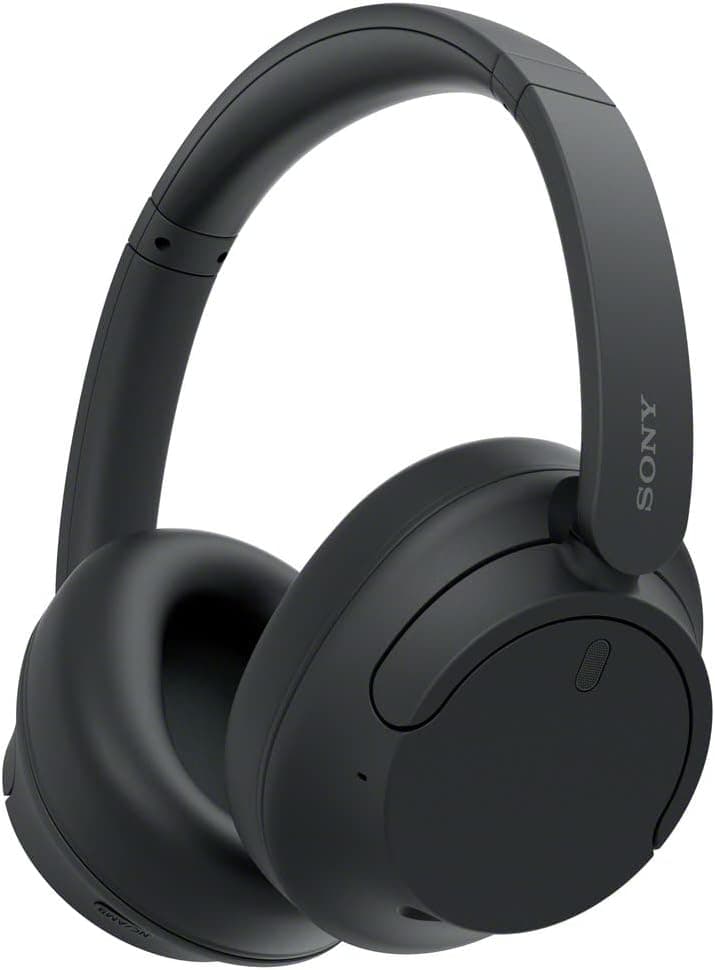
Sony WH-CH720N Noise Canceling Wireless Headphones Bluetooth Over The Ear Headset with Microphone and Alexa Built-in, Black New
Key Features:
- ✓wireless
- ✓noise cancelling
Excellent choice for music production with Sony quality and proven reliability.
We earn a commission if you make a purchase, at no additional cost to you.
Noise Cancellation for Focus: Electronic music production often involves working in environments with ambient noise, whether it's the hum of a computer, the chatter of roommates, or the rumble of public transportation. The WH-CH720N's noise-canceling technology can effectively block out these distractions, allowing you to focus on the details of your mix. While not as powerful as dedicated studio headphones with extreme isolation, the noise cancellation provides a significant improvement over using standard headphones. This is particularly useful for tasks like sound design, where subtle nuances can be easily masked by external noise.
Wireless Freedom for Creativity: The wireless Bluetooth connectivity of the WH-CH720N offers a level of freedom that can be beneficial for creative exploration. Being untethered from your computer allows you to move around your studio or workspace while still listening to your tracks. This can be helpful for getting a different perspective on your mix or for collaborating with other musicians in a more relaxed setting. However, it's important to be aware of potential latency issues when using Bluetooth headphones for critical mixing tasks. Latency, or the delay between the audio signal being sent and received, can make it difficult to accurately judge timing and rhythm. For critical mixing, wired connections are generally preferred.
Sound Quality and Frequency Response: While the WH-CH720N is not designed to be a completely flat, analytical headphone, its sound quality is generally well-balanced and detailed enough for many Electronic music production tasks. The frequency response is relatively neutral, with a slight emphasis on the bass frequencies. This can be helpful for judging the impact of your low-end, but it's important to be aware of this coloration and compensate accordingly. For critical mixing, it's always recommended to cross-reference your mixes on multiple sets of headphones and studio monitors to ensure accuracy.
Real-World Application: Imagine you're on a train, traveling to a gig, and you suddenly have an idea for a new track. With the WH-CH720N, you can quickly pull out your laptop, fire up your DAW, and start sketching out the basic arrangement, all while blocking out the noise of the train. While you wouldn't want to rely solely on these headphones for final mixing, they can be invaluable for capturing ideas and working on your tracks in less-than-ideal environments.
Multi-Product Section: Budget-Friendly Options for Aspiring Producers
For aspiring Electronic music producers just starting out, investing in expensive studio headphones may not be feasible. Fortunately, there are several budget-friendly options that offer a good balance of performance and affordability.
The Soundcore Anker Life Q20 Hybrid Active Noise Cancelling Headphones represent a strong value proposition. At a price point of around $40, these headphones offer active noise cancellation, wireless connectivity, and a comfortable over-ear design.
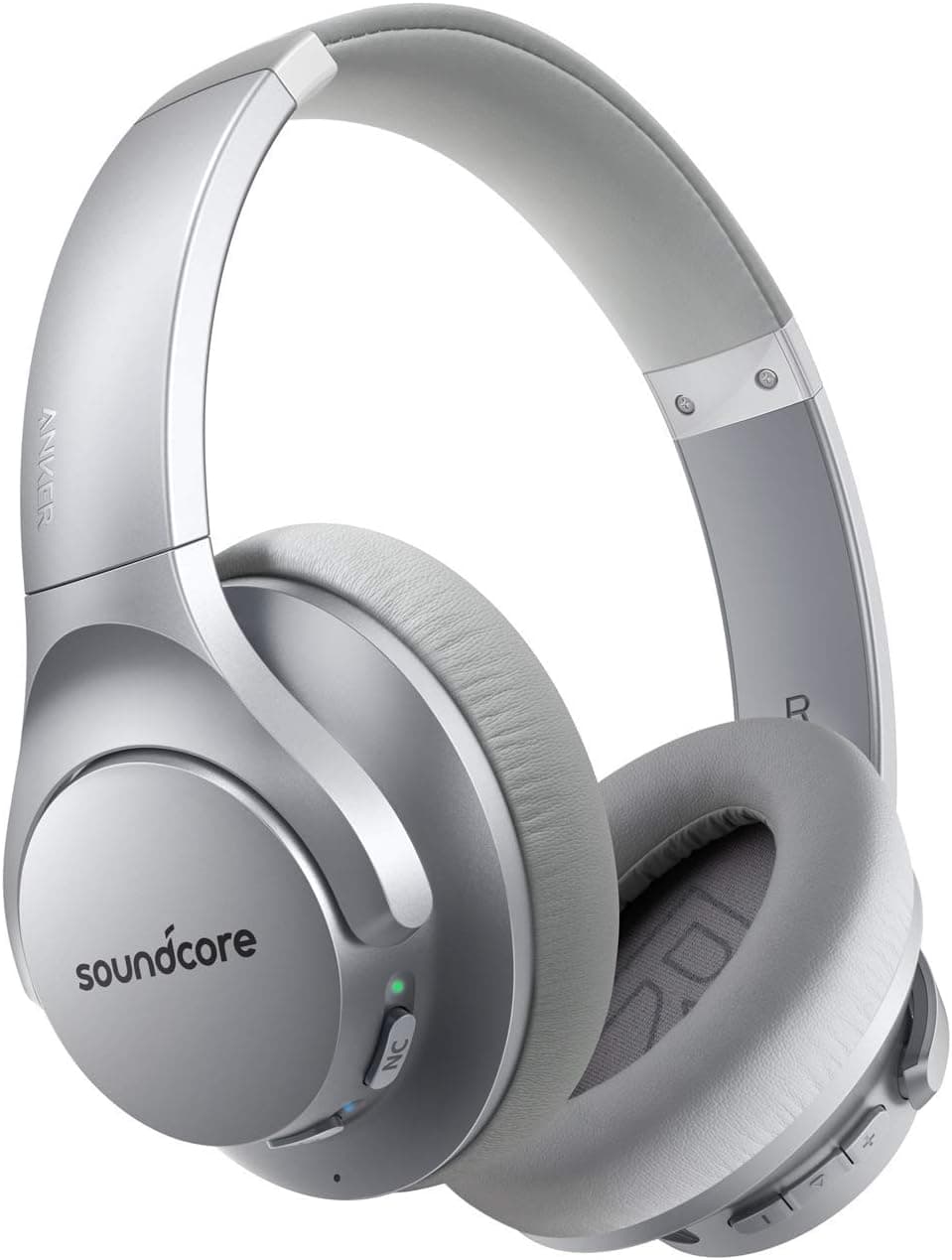
Soundcore Anker Life Q20 Hybrid Active Noise Cancelling Headphones, Wireless Over Ear Bluetooth Headphones, 70H Playtime, Hi-Res Audio, Deep Bass, Memory Foam Ear Cups, Travel, Office, USB-C Charging
Key Features:
- ✓wireless
- ✓noise cancelling
- ✓usb
Excellent choice for music production with Blue quality and proven reliability.
We earn a commission if you make a purchase, at no additional cost to you.
When evaluating budget headphones, it's important to consider their limitations. The frequency response may not be as accurate as more expensive models, and the build quality may be less durable. However, for beginners who are just learning the basics of Electronic music production, these headphones can be a valuable tool for practicing sound design, experimenting with different mixing techniques, and developing their ear.
Quick Reference/Comparison: Feature Prioritization
| Feature | Sony WH-CH720N | Soundcore Anker Life Q20 | Importance for Electronic Music |
|---|---|---|---|
| Noise Cancellation | Excellent | Good | High (for focus) |
| Wireless | Yes | Yes | Medium (convenience) |
| Frequency Response | Relatively Neutral | Slightly Bass-Heavy | Medium (accuracy) |
| Comfort | Good | Good | High (long sessions) |
| Price | ~$120 | ~$40 | Variable (budget dependent) |
Application Insights: Mastering Sound Design and Mixing with Headphones
Headphones are indispensable tools for Electronic music production, but they require a nuanced approach to ensure accurate and effective results. Here are some practical tips for maximizing their potential:
Sound Design Nuances: When crafting sounds from scratch, headphones provide an intimate listening experience that allows you to hear subtle details and imperfections that might be missed on studio monitors. This is particularly useful for tasks like creating intricate textures, layering samples, and sculpting the sonic characteristics of individual instruments. Pay close attention to the high-frequency content of your sounds, as headphones can often reveal harshness or unwanted artifacts that need to be addressed with EQ or other processing techniques.
Advanced Mixing Techniques for Electronic Music: Electronic music production often involves complex layering and intricate stereo imaging. When mixing on headphones, pay special attention to frequency masking between similar elements. Use spectrum analysis tools in conjunction with your headphones to identify problem areas that might not be immediately audible. Low-cut filtering becomes crucial when working with multiple bass elements – your headphones should reveal when sub-bass elements are competing rather than complementing each other.
Dynamic Range Management: Electronic music often features extreme dynamic contrasts, from subtle ambient textures to explosive drops. Your headphones should handle these contrasts without compression or distortion. This is particularly important when working with limiting and maximizing, as you need to hear exactly how your limiter is affecting the transients and sustain of your sounds.
Spatial Awareness in Electronic Production: Modern electronic music relies heavily on creative use of stereo space and depth. Headphones excel at revealing stereo positioning and can help you create wide, immersive soundscapes. Experiment with mid-side EQ techniques while monitoring on headphones to create width without losing mono compatibility. Use your headphones to check for phase issues that might not be apparent on speakers.
Professional Workflow Integration: Studio Setup and Headphone Management
Headphone Amplification for Electronic Music
Many consumer headphones benefit from dedicated amplification, especially when working with complex electronic arrangements demanding high dynamic range. A quality headphone amplifier provides:
- Improved detail retrieval in dense electronic mixes
- Reduced distortion at higher monitoring volumes
- Better bass control for sub-bass heavy productions
- Optimal driver performance for high-impedance studio headphones
Multiple Reference System Approach
Professional electronic music producers use multiple headphone sets as part of their reference chain:
- Primary studio headphones for initial mixing decisions
- Consumer-grade headphones for translation checking
- In-ear monitors for detailed editing work
- Open-back headphones for spatial reference
This approach identifies mix issues that might only be apparent on specific headphone types.
Modern Calibration Solutions
Software calibration tools like Sonarworks SoundID Reference create custom EQ curves that compensate for specific headphone frequency response deviations. This technology is particularly valuable for electronic music production where accurate frequency response is crucial for informed mix decisions.
Contextual Buying Guidance: Investing in Your Sound
Choosing the right headphones for Electronic music production is a personal decision that depends on your individual needs, budget, and workflow. Here's some guidance for producers at different experience levels:
Beginner Producers: If you're just starting out, focus on finding a pair of headphones that offers a good balance of sound quality, comfort, and affordability. The Soundcore Anker Life Q20 can be a great option. Don't feel pressured to invest in expensive studio headphones right away. As you gain more experience, you'll develop a better understanding of your specific needs and preferences.
Intermediate Producers: Once you've gained some experience, you may want to consider upgrading to a pair of headphones that offers more accurate sound reproduction and better isolation. Look for headphones with a relatively flat frequency response and a comfortable over-ear design. The Sony WH-CH720N can be a good all-around option, especially if you need noise cancellation and wireless connectivity.
Advanced Producers: For experienced producers who demand the highest level of accuracy and detail, investing in a pair of professional-grade studio headphones is essential. These headphones typically feature a completely flat frequency response, excellent isolation, and a durable build quality. While they can be expensive, they are a worthwhile investment for serious producers who are committed to creating high-quality Electronic music.
Environmental Considerations: Electronic music production often happens in less-than-ideal acoustic environments, making headphones even more critical. In untreated rooms, headphones provide consistent monitoring that isn't affected by room acoustics. However, it's important to understand that headphones can't completely replace studio monitors – they provide a different perspective that's valuable for certain tasks but shouldn't be your only reference.
Professional Upgrade Path: As your skills and career progress, consider upgrading your headphones strategically. Start with reliable mid-range options like the Sony WH-CH720N, which offers excellent value and versatility. As you advance, invest in open-back reference headphones for critical listening and keep your closed-back headphones for tracking and isolation-dependent tasks.
Budget Allocation Strategy: When building a studio, allocate approximately 10-15% of your total budget to headphones. This ensures you have quality monitoring without over-investing in any single component. Remember that expensive headphones won't fix fundamental mix problems, but they will help you make more accurate decisions throughout the production process.
Future-Proofing Your Investment: Look for headphones with replaceable parts (cables, ear pads) and established service networks. Electronic music production is demanding on equipment, and the ability to maintain your headphones extends their useful life significantly. Consider the total cost of ownership, including replacement parts and potential servicing, when making your decision.
In conclusion, selecting the right headphones for electronic music production requires balancing technical accuracy, practical comfort, and creative inspiration. The Sony WH-CH720N and Soundcore Anker Life Q20 represent excellent choices at their respective price points, offering the features most crucial for electronic music creation. Remember that no single pair of headphones is perfect for every task – building a small collection of complementary headphones will serve you better than searching for one "perfect" pair.
Understanding your specific workflow, production style, and acoustic environment will guide you toward the headphones that best support your creative vision. Whether you're crafting intricate ambient soundscapes or driving dance floor anthems, the right headphones are essential tools that can elevate your productions from good to exceptional. Invest thoughtfully, listen critically, and let your creativity flourish through accurate, comfortable monitoring that keeps you connected to every nuance of your electronic music creations.
More Resources
- iZotope: Understanding Ear Fatigue
- Sound on Sound: Audio Techniques
- RTings: Headphone Reviews and Measurements
- Headphonesty: Headphone Testing and Reviews
Frequently Asked Questions
What are the best headphones for electronic music production?
The Sony WH-CH720N and Soundcore Anker Life Q20 are excellent choices, offering noise cancellation, wireless connectivity, and accurate sound reproduction for electronic music creation. These headphones provide the essential features needed for professional electronic music production while remaining accessible to producers at different experience levels.
Do I need noise-canceling headphones for electronic music production?
Yes, noise-canceling headphones are highly beneficial for electronic music production as they block external distractions and allow you to focus on subtle details in your mix. This is particularly important when working with intricate electronic textures and layered soundscapes that require precise attention to detail.
What's the difference between open-back and closed-back headphones for electronic music?
Closed-back headphones are generally preferred for electronic music production due to their superior isolation and prevention of sound leakage, though they may have a less open soundstage than open-back designs. For electronic music, the isolation benefits typically outweigh the soundstage limitations.
Can wireless headphones be used for professional electronic music production?
While wireless headphones like the Sony WH-CH720N offer convenience, be aware of potential latency issues. For critical mixing, wired connections are preferred, but wireless can work well for creative exploration and sound design tasks where latency is less critical.
As an Amazon Associate, I earn from qualifying purchases. This helps support our in-depth testing and reviews.
This article contains affiliate links. We may earn a commission from purchases made through these links at no additional cost to you.