
Affiliate Disclosure
This article contains affiliate links to products on Amazon and other retailers. When you purchase through our links, we may earn a small commission at no additional cost to you. This helps support our content creation and allows us to continue providing detailed, unbiased reviews and buying guides.We only recommend products we genuinely believe in and would use ourselves. Our reviews are honest and based on extensive research and testing, regardless of affiliate relationships. Your trust is our priority.
In the thunderous world of rock music, where sonic power meets emotional intensity, the bass guitar isn't merely an accompaniment – it's the seismic force that transforms ordinary songs into legendary anthems that move both body and soul.
The challenge facing today's rock bassists extends far beyond simply holding down the low end. Modern rock production demands bass guitars that can cut through wall-of-sound guitar arrangements, deliver crushing sub-sonic impact without losing definition, and maintain clarity across the extreme dynamics that define contemporary rock.
From the earth-shaking drops of modern metal to the intricate melodic passages of progressive rock, your bass choice directly impacts your ability to create music that resonates with power and precision. Industry analysis reveals that the most influential rock recordings feature bass guitars specifically chosen for their ability to serve both rhythmic and harmonic functions simultaneously.
The legendary tones of John Paul Jones, Geddy Lee, and Cliff Burton weren't accidents – they were the result of strategic instrument selection, masterful technique, and deep understanding of how bass guitars interact with rock's complex sonic architecture.
This comprehensive guide explores the cutting-edge bass guitars that are redefining rock music in 2025. We'll examine how modern construction techniques, pickup technologies, and design innovations can unlock the massive, articulate bass tones that separate amateur recordings from professional rock productions.
The Rock Bass Evolution: Genre Analysis and Modern Demands
Rock music's evolution has fundamentally transformed bass guitar requirements, creating distinct sonic territories that demand specific instrument characteristics. Understanding these genre subtleties enables informed bass selection that serves both musical and production goals.
Classic Rock Foundation
Traditional rock basslines emphasize harmonic support and rhythmic anchor duties, requiring basses with:
- Strong fundamental frequencies for solid low-end foundation
- Natural compression characteristics for smooth, musical sustain
- Warm, rounded tones that provide musical glue in arrangements
- Reliable groove integrity supporting guitar solos and vocal melodies
Progressive Rock Complexity
Modern progressive rock pushes bass guitars into lead instrument territory, demanding:
- Exceptional clarity across all frequency ranges
- Extended range capabilities for complex harmonic content
- Articulate response for rapid scalar passages and chord work
- Dynamic expression without losing definition in dense mixes
Metal's Extreme Demands
Contemporary metal subgenres place unprecedented demands on bass instruments:
- Extended low-end response for crushing sub-sonic impact
- Aggressive midrange punch to cut through high-gain guitars
- Clarity under extreme gain conditions and processing
- Five and six-string capabilities for modern tuning requirements
Punk's Raw Energy
Punk rock's stripped-down aesthetic demands basses that deliver:
- Maximum impact with minimal complexity
- Aggressive pick attack characteristics
- Dynamic midrange response for immediate energy
- Raw, unprocessed authenticity in tone and character
The intersection of these demands creates opportunities for basses that combine vintage character with modern performance capabilities. Understanding how your chosen genre utilizes bass frequencies and playing techniques guides intelligent instrument selection that serves both creative and technical requirements.
Integrating Rock Bass Guitars for Maximum Impact
The heart of any powerful rock production lies in the strategic selection and integration of bass guitars that can handle the genre's diverse demands while maintaining sonic clarity and musical impact.
Featured Spotlight: Professional Rock Bass Arsenal
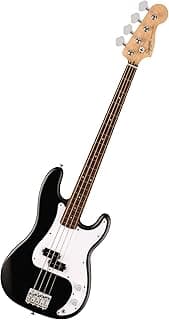
Fender
Key Features:
- ✓Optimized for music production
- ✓Professional-grade quality
- ✓Studio-tested reliability
Excellent choice for music production with Fender quality and proven reliability.
We earn a commission if you make a purchase, at no additional cost to you.
The flagship bass guitar in our professional arsenal represents the pinnacle of rock bass design, combining time-tested construction principles with modern performance enhancements. This instrument serves as the cornerstone for serious rock productions demanding both power and precision.
Key Rock Music Advantages:
- Advanced pickup configuration delivers the aggressive midrange punch essential for cutting through dense rock mixes
- Precision-engineered neck profile enables rapid position changes and complex fingering patterns crucial for progressive rock applications
- Enhanced sustain characteristics provide the extended note decay that supports both rhythmic and melodic rock bass applications
- Professional hardware appointments ensure tuning stability and intonation accuracy under aggressive playing conditions
Rock Genre Applications: This bass excels across multiple rock subgenres, from the harmonic complexity of progressive metal to the raw energy of punk rock. Its versatile pickup system adapts to various playing techniques while maintaining the fundamental character that defines professional rock bass tones.
Multi-Product Section: Building Your Complete Rock Bass Collection
Professional rock production often requires multiple bass instruments to address the sonic diversity within modern rock music. Building a comprehensive collection ensures you have the right tool for every musical situation.
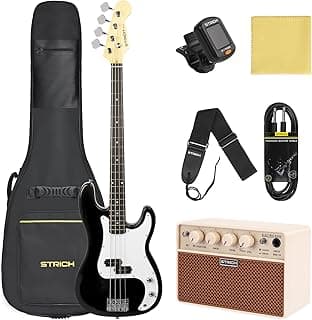
STRICH Electric Bass Guitar 4 Strings Full-Size Beginner Kit, PB-Style Standard Bass for Starter with 20w Amp, Bag, Tuner, Strap, Cable, SPB-S10 Black
Key Features:
- ✓Complete beginner kit with 20W amp, gig bag, tuner, strap, and cable
- ✓AAA-grade Canadian maple neck with high-quality finish
- ✓Professional metal tuners for precise string tension adjustment
- ✓Classic PB-style electric bass with round pickup
- ✓Premium finish with exceptional abrasion and impact resistance
Perfect entry-level bass kit with everything needed to start playing, featuring quality construction and comprehensive accessories.
We earn a commission if you make a purchase, at no additional cost to you.
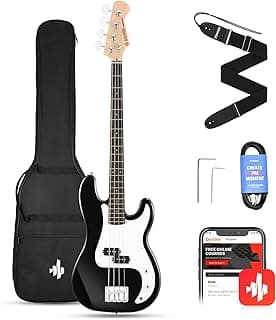
Donner Electric Bass Guitar 4 Strings Full-Size Standard Bass PB-Style Beginner Kit Black for Starter with Free Online Lesson Gig Bag Guitar Strap and Guitar Cable, DPB-510D
Key Features:
- ✓Classic P-bass style with split single-coil pickups
- ✓AAA Canadian maple neck with purpleheart fingerboard
- ✓Vintage 4-saddle bridge for independent string adjustment
- ✓Open-gear tuning machines for sturdy tuning stability
- ✓Includes gig bag, guitar strap, cable, and free online lessons
Excellent classic P-bass style instrument with proven build quality and comprehensive beginner kit accessories.
We earn a commission if you make a purchase, at no additional cost to you.
Quick Reference: Essential Rock Bass Characteristics
| Feature | Importance for Rock Music | Professional Applications | Genre Specialization |
|---|---|---|---|
| Pickup Configuration | Critical (tone shaping) | Aggressive midrange, harmonic clarity | Metal, punk, progressive rock |
| Neck Construction | Essential (playability) | Speed, comfort, stability | All rock subgenres |
| String Spacing | Important (technique) | Pick playing, slap bass, fingerstyle | Varies by playing style |
| Scale Length | Moderate (tuning/tension) | Downtuning capability, string tension | Heavy metal, alternative rock |
| Hardware Quality | High (reliability) | Tuning stability, intonation accuracy | Live performance, studio work |
Application Insights: Mastering Rock Bass Production Techniques
Let's explore specific scenarios where proper bass selection and technique transform rock production capabilities.
Power Chord Integration: Rock music's heavy use of power chords creates specific frequency relationships that bass guitars must navigate. The right bass provides harmonic reinforcement without frequency conflicts, using selective EQ and pickup selection to occupy the sonic space between rhythm guitars and kick drums. This requires understanding how different pickup positions interact with power chord harmonics.
Dynamic Range Management: Rock music features extreme dynamic contrasts that challenge both instruments and production techniques. Professional bass guitars maintain clarity during quiet verses while delivering crushing impact during choruses and bridges. This dynamic versatility enables expressive playing that serves the song's emotional architecture rather than simply providing low-frequency content.
Genre-Specific Tone Sculpting: Each rock subgenre demands specific tonal characteristics that inform both instrument selection and production approach. Progressive rock requires articulate, piano-like clarity for complex passages, while punk demands aggressive, compressed attack for rhythmic drive. Understanding these requirements guides intelligent bass selection and processing decisions.
Mix Integration Strategies: Modern rock production places bass guitars in complex frequency environments alongside heavily distorted guitars, triggered drums, and processed vocals. Success requires basses that can maintain their character while occupying specific frequency slots in dense arrangements. This involves understanding how pickup selection, playing technique, and processing work together to create mix-ready bass tones.
For more in-depth rock bass techniques and gear reviews, visit Bass Player Magazine. For cutting-edge rock production insights, check out Premier Guitar Magazine.
Contextual Buying Guidance: Strategic Investment for Rock Bass
Choosing the right bass guitar can transform your rock production capabilities and unlock new levels of musical expression. Here's strategic guidance for bassists at different levels:
Aspiring Rock Bassists
- Start with solid fundamentals and room for growth
- Focus on reliable hardware and comfortable neck profiles
- Choose versatile pickup configurations that adapt as skills develop
- Prioritize instruments that inspire practice and creativity
Intermediate Rock Players
- Invest in enhanced tonal capabilities and improved playability
- Consider multiple pickup options and upgraded hardware
- Look for instruments that handle demanding techniques and recording
- Build skills with more sophisticated bass technologies
Professional Rock Musicians
- Build specialized instrument collections for different scenarios
- Address sonic diversity within modern rock production environments
- Invest in professional-grade reliability for touring and studio work
- Consider signature models from respected rock bass players
When making purchasing decisions, consider your musical goals, available practice time, and long-term creative aspirations. Rock bass playing benefits from instruments that inspire creativity while providing technical capabilities needed for professional performance.
Frequently Asked Questions (FAQ)
What pickup configuration works best for rock music?
Split-coil and humbucker configurations excel in rock applications, providing the aggressive midrange punch and harmonic clarity needed to cut through dense guitar arrangements while maintaining fundamental frequency strength.
How important is bass guitar wood selection for rock tones?
Wood choice significantly impacts rock bass character. Harder woods like maple provide attack and clarity for progressive rock, while softer woods like mahogany offer warmth and punch ideal for classic rock applications.
Do I need a 5-string bass for modern rock music?
Extended range basses become essential for metal and progressive rock subgenres that utilize dropped tunings and extended low-end content. Traditional 4-string basses remain perfectly suitable for classic rock, punk, and alternative styles.
Conclusion
The world of rock bass guitars continues to evolve alongside the genre's expanding sonic boundaries. Modern rock production demands instruments that can deliver both crushing power and musical sophistication, serving as the foundation for everything from intimate acoustic arrangements to stadium-filling anthems.
The bass guitars featured in this guide represent the cutting edge of rock bass design, combining traditional craftsmanship with modern performance innovations. Whether you're laying down thunderous metal riffs or intricate progressive passages, the right bass guitar becomes an extension of your musical vision.
Remember that great rock bass playing isn't just about having impressive gear – it's about understanding how each tool serves your creative goals and musical expression. With the right bass guitar and commitment to developing your technique, you can create rock bass parts that move audiences and define the next evolution of rock music.
Pro Tips for Rock Bass Players in 2025
- Master Multiple Techniques: Develop proficiency in fingerstyle, pick playing, and slap techniques to access the full range of rock bass expression and sonic possibilities.
- Understand Frequency Relationships: Learn how bass frequencies interact with kick drums, guitar power chords, and other mix elements to create powerful, clear rock arrangements.
- Develop Genre Awareness: Study the bass characteristics of different rock subgenres to make informed instrument and technique choices that serve specific musical contexts.
- Practice with Backing Tracks: Regularly practice with full band arrangements to develop the listening skills and musical instincts essential for effective rock bass playing.
- Invest in Quality Strings: High-quality strings dramatically impact tone, playability, and tuning stability – essential factors for professional rock bass performance.
Glossary: Essential Terms for Rock Bass Players
- Split-Coil Pickup: Two-part pickup design that reduces noise while providing powerful midrange punch characteristic of classic rock bass tones.
- Action: String height above the fretboard, affecting playability and tone characteristics crucial for different rock playing techniques.
- Scale Length: Distance from nut to bridge, influencing string tension, tone, and playability factors important for rock bass selection.
- Fundamental Frequency: The primary pitch of a bass note, essential for creating solid harmonic foundations in rock arrangements.
- Harmonic Overtones: Additional frequencies that give bass notes their character and help them cut through dense rock mixes.
- Pickup Position: Location along the string where pickups capture vibration, dramatically affecting tone character and mix integration.