
Affiliate Disclosure
This article contains affiliate links to products on Amazon and other retailers. When you purchase through our links, we may earn a small commission at no additional cost to you. This helps support our content creation and allows us to continue providing detailed, unbiased reviews and buying guides.We only recommend products we genuinely believe in and would use ourselves. Our reviews are honest and based on extensive research and testing, regardless of affiliate relationships. Your trust is our priority.
Rock music in all its diverse subgenres demands a specific kind of low-end foundation. From the driving thump of classic hard rock to the intricate melodic lines of progressive rock and the aggressive punch of punk, the bass guitar is far more than just a rhythmic accompaniment; it's a crucial melodic, harmonic, and rhythmic driver.
However, choosing the right bass and knowing how to wield it in a rock context presents unique challenges. Modern rock production often requires bass tones that can cut through dense mixes, complement distorted guitars, and provide a solid, yet dynamic, foundation. The days of simply plugging in and playing are largely gone; producers and bassists alike must understand the nuances of instrument selection, tone shaping, and recording techniques to achieve a professional, impactful sound.
This guide explores the essential considerations for selecting and utilizing bass guitars in rock music, moving beyond generic advice to offer practical insights applicable to various subgenres and production styles. The aim is to provide actionable knowledge, enabling informed decisions about gear and techniques that elevate the bass guitar from a supporting role to a defining element in rock productions.
The Rock Bass Landscape: Defining Tonal Territories
The sound of rock bass guitar is incredibly diverse, spanning from the warm, round tones of a vintage Precision Bass to the aggressive, scooped mids of a modern active bass. Understanding this tonal landscape is crucial for selecting the right instrument and achieving the desired sound in a mix.
Classic Rock
- Features a more fundamental, supportive bass role, prioritizing warmth and sustain to complement the guitars.
- Iconic basslines: Led Zeppelin, The Rolling Stones.
Hard Rock & Metal
- Demand a more aggressive and defined bass tone.
- Techniques: pick playing, distortion.
- Bands: Metallica, Iron Maiden.
Punk Rock
- Emphasizes energy and simplicity, favoring a raw, direct bass sound.
- Bands: The Ramones, Sex Pistols.
Progressive Rock
- Calls for a versatile and technically proficient bass approach.
- Techniques: tapping, slapping, chordal playing.
- Bands: Rush, Tool.
Key Takeaway: Choose an instrument and develop a sound that complements the specific style of rock music being produced, ensuring the bass guitar fulfills its crucial role in the overall sonic landscape.
Bass Guitar Selection: Matching Instrument to Rock Style
Choosing the right bass guitar for rock music isn't just about personal preference; it's about selecting an instrument that complements the specific demands of the genre and the desired tonal characteristics.
Key Factors in Bass Selection
Body Wood and Tone:
- Alder: Balanced, clear, and articulate sound.
- Ash (Swamp Ash): Brighter, more resonant tone.
- Mahogany: Warmer, sustain-rich tone.
Pickup Configurations:
- Precision Bass: Split-coil pickup, punchy and focused tone.
- Jazz Bass: Two single-coil pickups, wide tonal range.
- Humbucker: Thicker, more powerful sound.
- Active pickups: Higher output, modern aggressive tone (learn more).
Scale Length and Playability:
- Standard (34"): Balanced comfort and tone.
- Short (30"): Easier playability, warmer tone.
- Long (35"+): Increased tension, tighter sound.
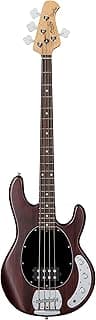
Product Spotlight: Sterling by Music Man SUB Series Ray4
For rock bassists seeking a versatile and powerful instrument without breaking the bank, the Sterling by Music Man SUB Series Ray4 offers an excellent option.
Sterling by Music Man
Key Features:
- ✓Optimized for music production
- ✓Professional-grade quality
- ✓Studio-tested reliability
Excellent choice for music production with Sterling quality and proven reliability.
We earn a commission if you make a purchase, at no additional cost to you.
- Single humbucker pickup and active preamp (what is an active preamp?) deliver a punchy, aggressive tone.
- Basswood body for balanced tone, maple neck for comfort.
- Active electronics provide a wide range of tonal possibilities.
- Great value for all levels of rock bassists.
- Learn more at Music Man
Tone Shaping: Amplification and Effects for Rock Bass
The bass guitar itself is only the starting point; shaping the tone through amplification and effects is crucial for achieving the desired sound in a rock mix.
Amplification
- Tube amplifiers: Warm, organic tone, natural compression (classic rock, blues).
- Solid-state amplifiers: Clean, transparent sound (modern rock, metal).
- Hybrid amplifiers: Balance of warmth and clarity.
- Cabinet size: Larger speakers (15"/18") = deeper tone; smaller (10"/12") = tighter sound.
Effects Pedals
- Overdrive/Distortion: Essential for hard rock and metal.
- Fuzz: Extreme, saturated distortion (stoner/psychedelic rock).
- Compression: Consistent, punchy sound.
- Chorus/Flanger: Depth and movement (progressive/alternative rock).
- Wah: Expressive filter sweeps.
- Explore Rock Guitar Effects
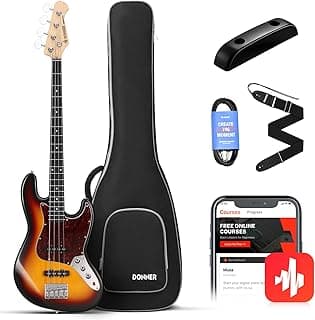
Product Spotlight: Donner Guitar Bass Effect Pedal
Donner
Key Features:
- ✓Optimized for music production
- ✓Professional-grade quality
- ✓Studio-tested reliability
Excellent choice for music production with Donner quality and proven reliability.
We earn a commission if you make a purchase, at no additional cost to you.
- Essential bass effects: Overdrive, distortion, fuzz.
- Affordable and versatile for beginners and budget-conscious players.
- Bass Player Magazine review: Popular for practice and experimentation.
Recording and Mixing: Capturing the Rock Bass Sound
Capturing the bass guitar's sound in the recording studio requires careful attention to detail.
Microphone Selection
- Dynamic mics: Shure SM57, AKG D112 (handle high SPL, rugged).
- Condenser mics: Neumann U87, AKG C414 (detailed, nuanced sound).
- Recording Studio Microphones
Preamp Selection
- Tube preamps: Warmth, saturation.
- Solid-state preamps: Clean, transparent.
- DI boxes: Direct connection, bypass mic.
Recording Techniques
- Experiment with mic placement.
- Combine mic and DI signals for warmth and clarity.
- Use compression and EQ to shape tone.
Product Spotlight: Fender FA-125 Dreadnought Acoustic Guitar
Fender
Key Features:
- ✓Optimized for music production
- ✓Professional-grade quality
- ✓Studio-tested reliability
Excellent choice for music production with Fender quality and proven reliability.
We earn a commission if you make a purchase, at no additional cost to you.
- Dreadnought body for full, resonant sound.
- Creative layering with electric bass for unique textures.
- Learn more at Fender
Buying Guidance for Rock Bassists
Choosing the right bass guitar and related gear can be a daunting task, especially for beginners. Here’s some buying guidance tailored to different experience levels and budgets:
Beginner Bassists
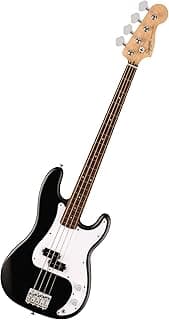
- Start with an affordable, versatile instrument (P-Bass or J-Bass copy, standard scale).
- Focus on fundamentals and tone experimentation.
- Donner Bass Guitar is a great option for beginners.
Intermediate Bassists
- Upgrade to higher-quality instrument with better components.
- Explore different pickup configurations and body woods.
- Invest in a decent amp and essential effects pedals.
- Sterling by Music Man SUB Series Ray4 offers great performance and value.
Advanced Bassists
- Invest in a professional-grade instrument tailored to your needs.
- Explore boutique amps and effects pedals.
- Consider building a custom bass guitar.
Conclusion: Elevate Your Rock Bass Sound
The bass guitar is an essential element in rock music, providing the rhythmic and harmonic foundation that drives the genre. Choosing the right instrument, shaping the tone with amplification and effects, and capturing the sound in the recording studio are all crucial steps in achieving a professional and impactful bass sound.
By understanding the nuances of bass guitar selection, tone shaping, and recording techniques, rock musicians and producers can elevate the bass guitar from a supporting role to a defining element in their productions. Remember to experiment, explore different sounds, and find what works best for your individual style and the specific demands of the music you're creating. The journey to finding your perfect rock bass sound is a continuous process of learning, experimentation, and refinement.